Find Automatic Bridge Cart for Steel Factories, Warehouses, and Workshops
Source 30 automatic bridge cart options for heavy-duty material handling in steel industries and warehouses. Compare specifications like power supply, load capacity, and dimensions to find the right transfer cart for your facility needs.
Key considerations
Products List


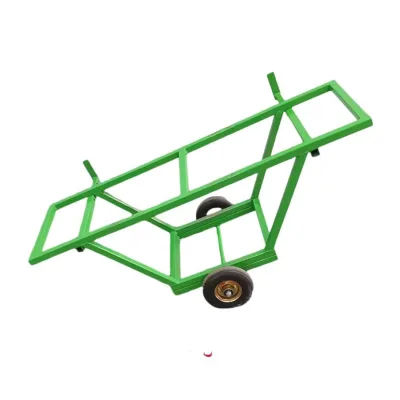


Motorised Steel Transfer Cart on Rail for Outdoor Shipyard Material Handling
$3300.00 - $4500.00
Moq: 1

Comprehensive Sourcing Guide
Strategic Sourcing Guide for Automatic Bridge Carts
Understanding Automatic Bridge Cart Technical Specifications
When evaluating automatic bridge carts, often categorized under industrial transfer carts or coil transfer systems, buyers must first establish a clear understanding of the core technical parameters that define operational capability. These machines are engineered for heavy-duty material transportation within industrial environments such as steel plants, factories, and warehouses. The fundamental architecture typically involves a robust body constructed from high-quality steel, ensuring durability under continuous load. The structural dimensions vary significantly based on the specific application requirements, with observed standard configurations ranging from compact units like 2000mm by 2000mm by 500mm to larger industrial scales such as 5000mm by 2500mm or even custom designs reaching 5500mm by 4000mm.
The power and propulsion systems are critical differentiators in this category. While some models operate on battery power, others may utilize busbar-powered systems that provide an uninterrupted and continuous power supply, eliminating the need for frequent recharging cycles. The motor power for these units often falls within the 7.5kW to 11kW range, though total power consumption for larger production lines can extend into the 2000-3000kW spectrum depending on the scale of the operation. The wheels are typically casting wheels designed to handle heavy loads on factory floors. Control mechanisms are increasingly automated, utilizing PLC (Programmable Logic Controller) systems, pendant controls, or remote control interfaces to ensure precise movement. The nature of the industry served is predominantly transportation, specifically for materials like steel coils, requiring a load capacity that is often customized to the buyer's specific inventory weights.
Compliance, Certification, and Safety Standards
In the global procurement of industrial automation equipment, verifying compliance with international and regional safety standards is non-negotiable. For products originating from major manufacturing hubs like China, specifically regions such as Xinxiang in Henan province, buyers should look for the CE certification as a baseline indicator of conformity with European health, safety, and environmental protection standards. This certification is a critical marker for equipment intended for use in markets that require strict adherence to safety protocols.
Beyond general certifications, the classification of the product is essential for logistics and regulatory purposes. Automatic bridge carts often fall under the Harmonized System (HS) code 84289090, which covers other lifting, handling, loading, or unloading machinery. Understanding this classification helps in calculating accurate import duties and ensuring the equipment meets local regulatory requirements in the destination country. Buyers must also verify the "prod_standard" attribute, which can range from fixed dimensions like 6000mm by 3500mm to fully customized specifications. The absence of a universal standard for every dimension means that the "Customized" attribute is frequently observed, requiring the buyer to validate that the custom standard aligns with their facility's floor plan and load-bearing capabilities.
Cost Drivers and Pricing Variables
The pricing structure for automatic bridge carts is highly variable, influenced by a complex matrix of customization, power requirements, and material costs. The observed price range in the market spans from 1 USD to 10,000,000 USD, reflecting the vast difference between a small, battery-operated transfer cart and a fully integrated, high-power production line system. Several key factors drive these costs. First, the "Total Power" of the system is a primary cost driver; units with power ratings between 2000kW and 3000kW will naturally command a higher price point than those with 7.5kW motors.
Second, the degree of customization significantly impacts the final cost. While standard models may be available, the "Customized" attribute is prevalent, allowing for specific dimensions, colors (such as yellow, red, or custom), and load capacities. The "Quantity of Machines" also plays a role; orders ranging from 100 to 200 sets may benefit from economies of scale, whereas single-unit purchases for specific pilot projects will carry a higher per-unit cost. Additionally, the "Warranty" period, which can range from 1 to 2 years, influences the long-term value proposition and initial pricing. Buyers should note that the "Load Capacity" being "Custom" means that the price is directly tied to the engineering required to support the specific weight the cart must carry.
Typical Applications and Operational Environments
Automatic bridge carts are designed to serve a wide array of heavy industrial applications where efficient material handling is paramount. The primary use case is heavy-duty material transportation, particularly within the steel industry, where moving large steel coils is a daily necessity. The "Transport Materials" attribute confirms that these carts are optimized for handling steel coils, which are dense and require stable, controlled movement.
The operational environment is another critical consideration. These carts are suitable for factories, warehouses, and steel plants where the operating distance is unrestricted. The ability to navigate long distances without power interruption is a key feature, especially for busbar-powered models. The inclusion of auxiliary devices such as positioning devices, clamping devices, and lifting platforms further expands their utility. These features allow the cart to not only transport materials but also to assist in the precise placement and securing of loads, reducing the need for additional handling equipment. The "Nature of Industry" is explicitly noted as transportation, but the specific application extends to any facility requiring the movement of heavy, bulky items with high precision and safety.
Supplier Evaluation and Origin Verification
When sourcing automatic bridge carts, verifying the origin and reputation of the supplier is essential for ensuring product quality and after-sales support. A significant portion of the market supply originates from China, with specific manufacturing clusters identified in locations like Xinxiang, Henan. Buyers should prioritize suppliers who can provide clear documentation regarding their production capabilities and origin. The "prod_origin" field is a critical data point that can help in assessing the supply chain's transparency.
Evaluating a supplier involves more than just checking their location. Buyers should assess the "Customization" availability and the "Quantity of Machines" they have previously produced. A supplier that has manufactured between 100 and 200 sets demonstrates a proven track record of scaling production. Furthermore, the "Warranty" terms, whether 1 year or 2 years, serve as an indicator of the supplier's confidence in their product's durability. The "prod_packing" method, such as packing the whole cart with a tarp or specific part packing, is also a factor in logistics planning and protection during transit. Buyers should ensure that the supplier's packing standards align with the fragility and size of the equipment to prevent damage during shipping.
Quality Control and Long-Term Procurement Considerations
Ensuring the long-term reliability of automatic bridge carts requires a rigorous quality control (QC) process. The "Body Material" being high-quality steel is a baseline requirement, but buyers must verify the specific grade and treatment of the steel to ensure resistance to wear and corrosion. The "Warranty" period is a direct reflection of the manufacturer's quality assurance; a 2-year warranty suggests a higher confidence level in the product's longevity compared to a 1-year warranty.
Long-term procurement considerations also include the "Operating Distance" and "Power Supply Mode." For facilities with large footprints, the choice between battery-powered and busbar-powered systems will dictate the maintenance schedule and operational efficiency. The "Control Mode," whether PLC, pendant, or remote, should be compatible with the existing factory automation systems to ensure seamless integration. The "HS" code and "Certification" status must be maintained throughout the product's lifecycle to avoid regulatory issues. Finally, the "Color" and "Standard" dimensions should be verified against the facility's safety and layout requirements to ensure that the equipment integrates smoothly into the existing workflow without causing bottlenecks or safety hazards.
Comparative Analysis of Key Product Attributes
To assist buyers in making informed decisions, the following table summarizes the key attributes observed in the market for automatic bridge carts. This comparison highlights the variability in specifications and the importance of matching these attributes to specific operational needs.
| Attribute Category | Observed Range / Options | Critical Verification Point |
|---|---|---|
| Product Model | DPX, DWP, DDG, BTL, Coil Cart | Ensure model matches intended load and function. |
| Dimensions | 20002000500mm to 6000*3500mm | Verify fit within facility floor plan and doorways. |
| Power Supply | Battery Powered, Busbar (Continuous) | Assess maintenance needs and operational range. |
| Motor Power | 7.5-11kW (Unit) to 2000-3000kW (Line) | Match power to total load and acceleration requirements. |
| Load Capacity | Custom | Confirm specific weight limits for intended materials. |
| Control System | PLC, Pendant, Remote | Ensure compatibility with existing factory automation. |
| Warranty | 1 Year, 2 Years | Evaluate long-term support and risk mitigation. |
| Origin | China (Xinxiang, Henan) | Verify supply chain transparency and logistics. |
| Certification | CE | Confirm compliance with destination market regulations. |
| Material | High-Quality Steel, Steel Coil | Check for corrosion resistance and structural integrity. |
This structured approach to evaluating automatic bridge carts ensures that buyers can navigate the complex landscape of industrial material handling equipment. By focusing on verified technical specifications, compliance standards, and supplier capabilities, procurement teams can secure solutions that enhance operational efficiency while minimizing risk. The variability in attributes such as dimensions, power, and customization underscores the necessity of a tailored procurement strategy rather than a one-size-fits-all approach.
FAQs
What certifications do automatic bridge carts have?
Automatic bridge carts typically carry CE certification to meet safety standards. This ensures compliance with European health and environmental protocols for equipment originating from China.
How is the load capacity determined for these carts?
The load capacity is fully customized to match specific buyer requirements. Buyers must specify the exact weight they need to transport, as standard models do not apply to all heavy-duty needs.
Which power supply modes are available for these units?
Units operate on either battery power or busbar systems for continuous supply. Busbar options provide uninterrupted power for unrestricted operating distances within large industrial facilities.
Can the dimensions be customized for specific factory layouts?
Yes, dimensions are available in custom sizes to fit specific facility floor plans. Standard observed sizes range from 2000mm to 6000mm, but buyers can request tailored specifications.
What is the warranty period for automatic bridge carts?
Warranty periods typically range from one to two years depending on the model. This coverage reflects the manufacturer's confidence in the durability of the high-quality steel construction.
How are these carts packed for international shipping?
Carts are packed using tarps to protect the whole unit or specific parts during transit. This packing method ensures the equipment remains secure while being transported from the Xinxiang origin.